


Joaquín Cuenca, CEO and founder of Freepik, had built a $70M revenue company with a team of 500 people. For over a decade, Freepik focused on building the largest image library on the internet. Then DALL·E 2 arrived and overnight, everything they had built suddenly felt at risk.
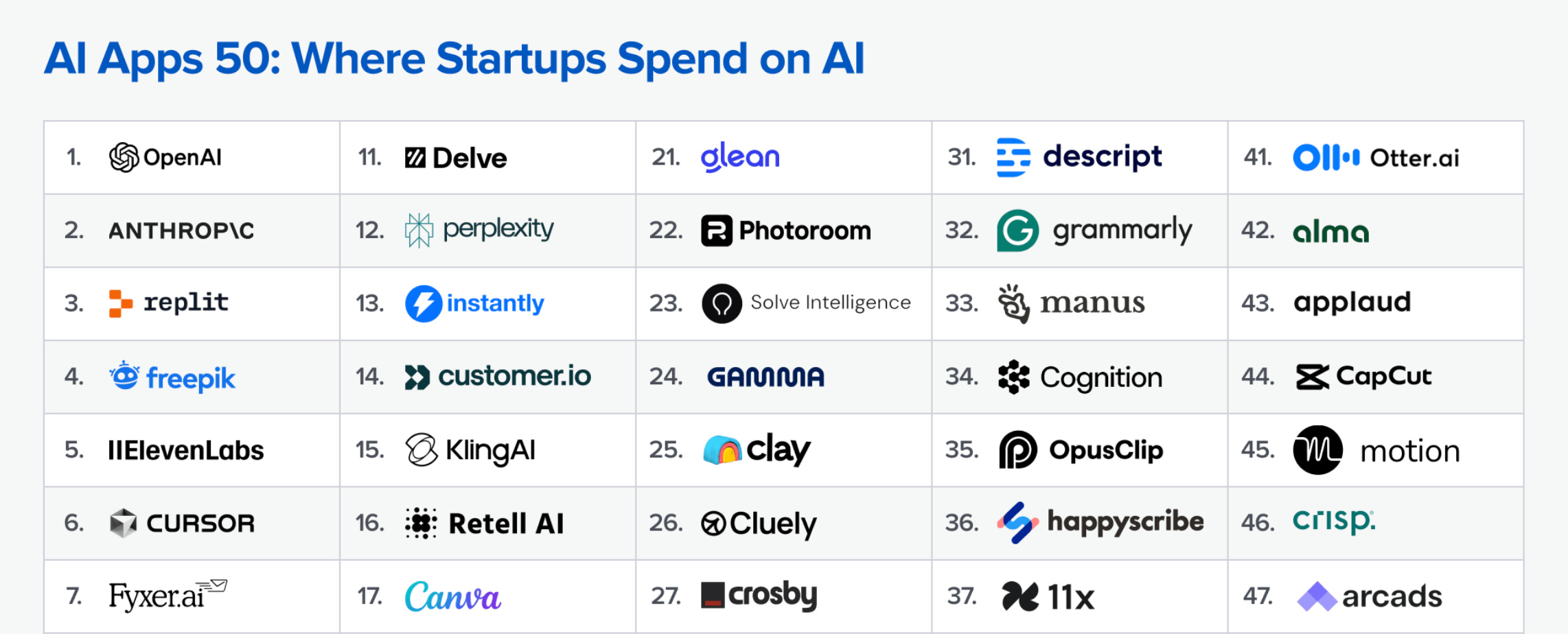
Instead of freezing, Freepik became one of the first major image platforms to integrate generative AI. Today, Freepik is one of the most widely used AI creative apps, according to a16z.
This is exactly how they did it.
The Playbook: Action First, Strategy Later
Most incumbents respond to disruption with endless analysis, committees, and 18-month plans. Joaquín did the opposite: he acted before having clarity.
1. Accept that you don’t have a plan (and act anyway)
When DALL·E 2 launched, Joaquín had COVID. Isolated, he spent 24 hours a day looking at AI-generated images. He came out of that period without a plan — but with one clear conviction: the existing business model was dead.
“When you don’t know what to do, do something instead of standing still. Every action teaches you something.”
Rather than waiting for clarity, he made a simple next move: put the technology in users’ hands and see what happened.
2. Use your distribution as a laboratory
Freepik had 600,000 subscribers. Instead of protecting the legacy business, they turned that audience into an experiment:
They integrated Stable Diffusion 1.5 the day it launched
They were the first major platform to do so
They listened closely to what users asked for (history, visual styles, thumbnails)
They iterated on what they could control and waited on what they couldn’t
Their existing distribution became a competitive advantage — not because it defended the old model, but because it accelerated learning about the new one.
3. Strategy emerged from action
Only after acting did Freepik truly understand its position:
AI models quickly commoditize (many LLMs competing with each other)
The real value sits in the wrapper: how the model is exposed to the world
Freepik already had distribution and deep knowledge of creative users
“Strategy came after action. We started by reacting to users, and only then did we develop the strategy.”
4. Avoid self-deception about your ‘advantages’
Adobe, Shutterstock, and Getty fell into the same trap: they built comforting theses (“only we have copyright-safe images”) that turned out to be wrong. Their models were weaker because they restricted their training data.
Joaquín recognized the pattern: companies look for AI narratives that favor them instead of facing reality.
Freepik accepted that its millions of images were not a sufficient moat — and that freed them to compete on product, not protection.
“AI often forces you to rethink everything from scratch. And that’s very hard to do.”
This playbook isn’t about having all the answers. It’s about moving fast enough to find them before your competitors do.
Joaquín goes much deeper into how he handled conversations with his team (some needed psychological support), why he believes humans will remain essential in creative work, and the framework he uses to think about what AI will never be able to replace.
🎧 Listen to the full episode: → [Spotify] → [Apple Podcasts] → [YouTube]
Also in this episode:
[10:00] Why launching AI without a clear strategy beat staying frozen
[23:00] The “Humans vs AI” framework and what machines will never replicate
[31:00] The hardest conversations with artists who thought their careers were over
[45:00] The strategic mistake that made Adobe, Getty, and Shutterstock fall behind on AI
[58:00] Why distribution is a temporary advantage, not a real moat
[01:00:00] How building Freepik from Málaga—not Silicon Valley—became a competitive edge


